Women's Economic Empowerment in Bangladesh through Collective Action
FAME Window 3 – Advocating for Change
We are proud to announce the successful completion of our project, "Advocating for Change: Women's Economic Empowerment through Collective Action," implemented under FAME Window 3 with funding support from the Agence Française de Développement (AFD) . The project ran from March to August 2026 and concluded with a landmark National Seminar in Dhaka on 11 August 2026.
This initiative was more than a project—it was a movement to strengthen women's economic empowerment in Bangladesh by bringing grassroots evidence into national policy dialogue. Through Gender Lens Assessments (GLA) , district-level consultations, and collective advocacy, the project addressed the structural, economic, and institutional barriers that restrict women's financial inclusion, market integration, and decision-making power.
The project was implemented by the Dhaka Women Chamber of Commerce & Industry (DWCCI) in collaboration with the Centre for Women and Children Studies (CWCS) as the lead organization. Partner organizations included Concerned Women for Family Development (CWFD) and PURNIMA, with regional collaboration from the South Asian Women's Development Forum (SAWDF) and Geres.
Understanding the Context: Why This Project Mattered
Bangladesh has a growing policy and institutional environment for women-led businesses, but significant gaps remain between policy opportunities and women's actual access to resources and markets. Women's participation in Bangladesh's labour market has increased over time, but women remain concentrated in informal, low-paid, and vulnerable employment. Women-owned enterprises are often small and informal, limiting their access to finance, technology, networks, and larger markets.
The FAME Window 3 project was designed to address these challenges. It sought to strengthen collective advocacy and the capacity of feminist civil society organizations to influence policies, programmes, budgets, and institutional practices that promote women's economic empowerment and the participation of marginalized communities.
The project recognized that true financial empowerment requires a structural shift from resource access to absolute control. It is not enough for women to have access to training, income, or credit—they must also have control over those resources and the ability to make independent decisions.
What We Did: A Journey of Evidence, Action, and Advocacy
Project Launch and Inception – April 2026
The project officially began on 20 April 2026 at the CIRDAP Conference Hall in Dhaka. The launch event brought together 57 high-level representatives from government ministries, legal professionals, civil society, NGOs, CBOs, and media personnel. It set the stage for a collaborative approach that would bridge grassroots experiences with national policy discussions.
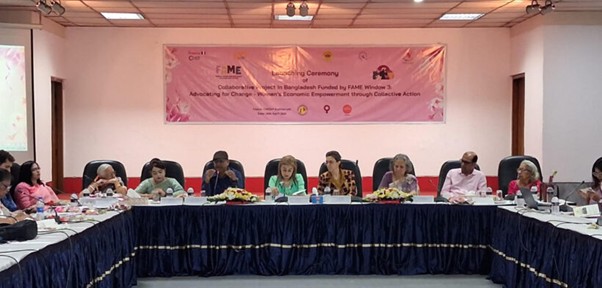
The launch was chaired by Ms. Naaz Farhana, President of the Dhaka Women Chamber of Commerce & Industry (DWCCI). Distinguished guests included Ms. Cynthia Mela, Country Director of Agence Française de Développement (AFD) Bangladesh, who highlighted France's commitment to feminist diplomacy, emphasizing that sustainable peace and progress require an inclusive society where women are not left behind.
Prof. Ishrat Shamim, President of CWCS and lead of the implementing organization, delivered the welcome address. She stated, "Despite notable progress in Bangladesh, many women continue to face structural barriers such as limited access to resources, restricted mobility, unequal wages, and deeply rooted social norms that constrain their full participation in economic life. It is within this context that this project has been conceptualized."
The launch event also featured speeches from special guests including Mr. Asif Ayub, Joint Secretary-General of Bangladesh Employers' Federation (BEF), who noted that women are born entrepreneurs yet face discrimination in wages. Mr. Chowdhury Md. Mohaimen, Manager of Bangladesh Child Helpline, highlighted the need for professional counselling and shared information about the 24-hour service provided through the government helpline.
District-Level Consultative Workshops - May 2026
In May 2026, we organized three one-day intensive consultative workshops in Satkhira, Khulna, and Gazipur. These workshops were the heart of the project's evidence-gathering process. They used Gender Lens Assessment tools to capture the lived experiences of women and identify the barriers they face in achieving economic empowerment.
Satkhira District Workshop - 11 May 2026
Held at Mozaffar Garden and Resort in Satkhira, this workshop brought together 76 participants, including government officials, women entrepreneurs, transgender individuals, religious leaders, and media personnel. The coastal context of Satkhira highlighted climate vulnerabilities and the specific challenges women face in disaster-prone areas.
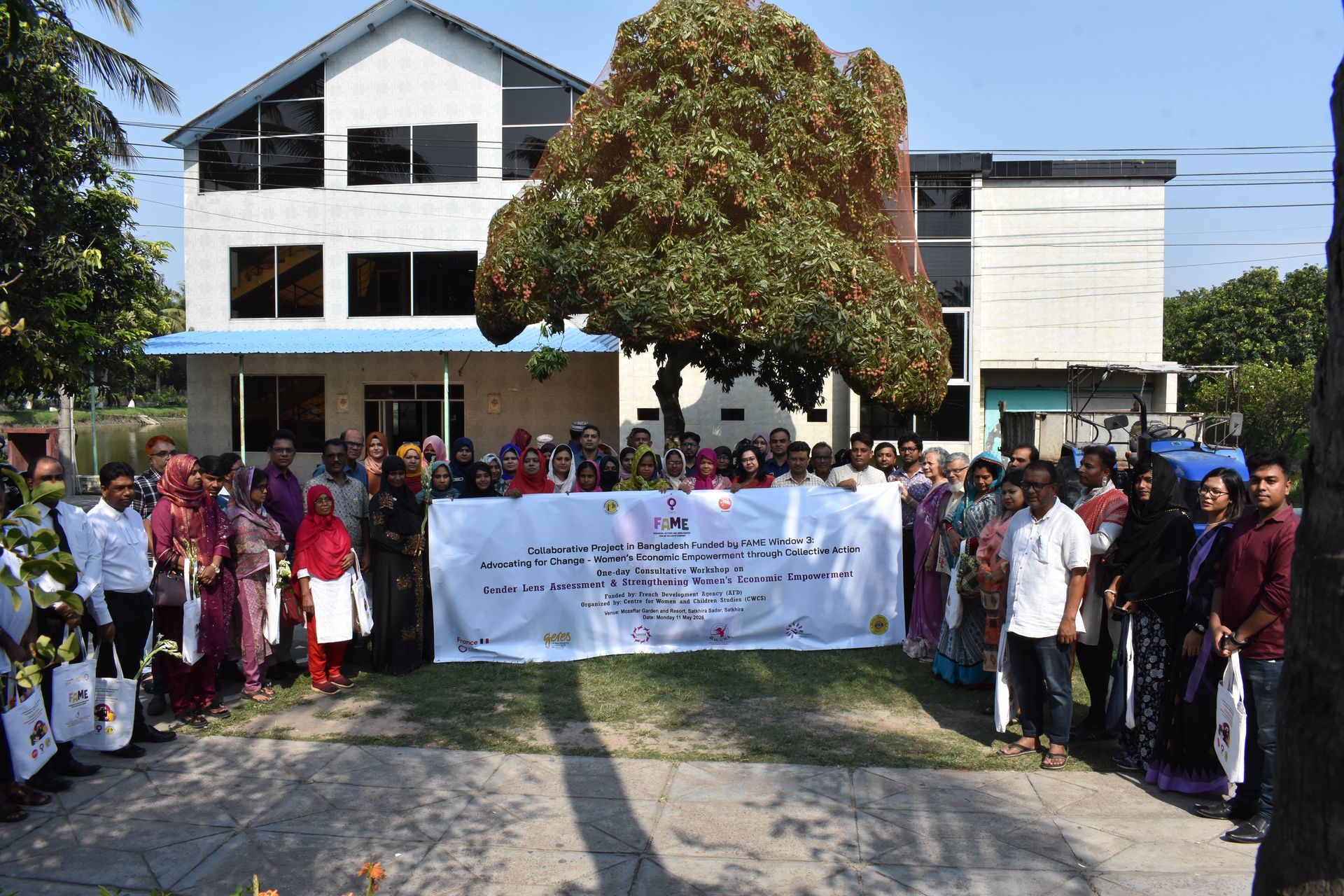
The workshop was chaired by Prof. Ishrat Shamim, with participation from Md. Nasir Uddin, Project Coordinator of DWCCI, Ms. Nasreen Razzak, Executive Director of PURNIMA, and Ajit R. Sankar, Project Officer of CWFD.
[Insert Image: Prof. Ishrat Shamim welcoming participants at the Satkhira district workshop]
Participants were divided into four groups, each assigned one of the key challenges faced by women: access to finance, mobility restrictions, market access, and social norms. Each group identified the problem, cited examples, pointed out key barriers, and proposed solutions.
Key voices from Satkhira:
"When I want to take a bank loan, they ask for a guarantor holding a government job, land deeds, etc. I am a poor entrepreneur; no government job holder wants to be a guarantor for me. Also, being a woman, both my parents and in-laws deprived me of my lands. Then how can I show a land deed?"
— Aleya Khatun, owner of a small-scale duck rearing business
"Being a Hijra my troubles are manyfold. It starts from my own home where I receive inhuman behavior, torture including sexual violence. People ask me what would a Hijra do by being educated or having ownership. As family members do not allow hijras to reside under the same roof, we are to leave our house and take shelter under a Guru."
— Uttam Kumar Mitra, a Hijra (transgender) participant
"When I, being a woman, make a contract with a vendor to deliver my products, they hardly do it on time since the concept of respecting women's words or ventures is almost absent here. Hence, I lose my clients due to late delivery."
— Imrul Hassan Irani, Kinnor Human Welfare Society
Khulna District Workshop – 12 May 2026
At Hotel Castle Salam in Khulna, 80 participants engaged in discussions on access to finance, mobility restrictions, market access, and social norms. The workshop was organized by PURNIMA, one of the collaborative partners of the project.
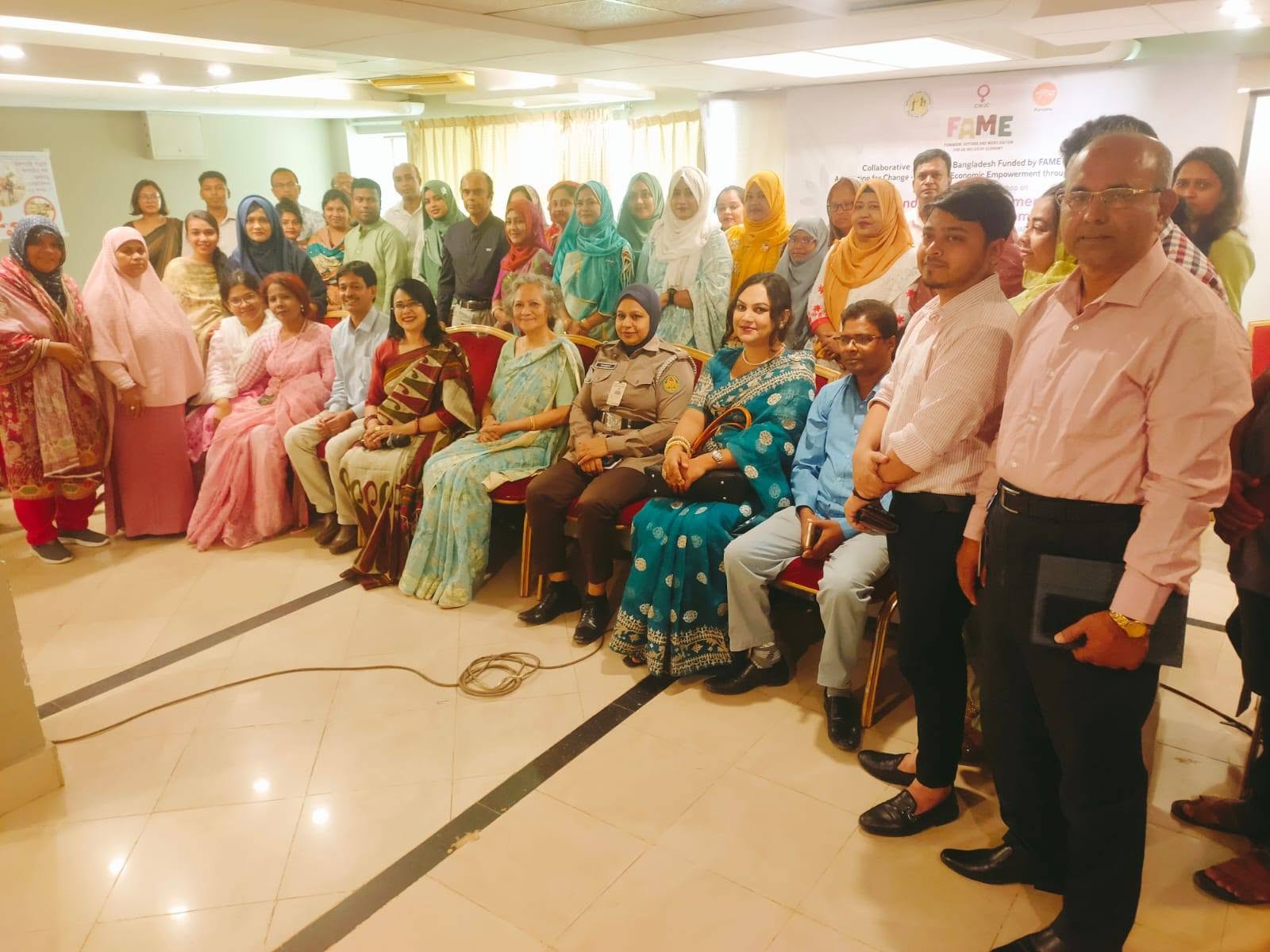
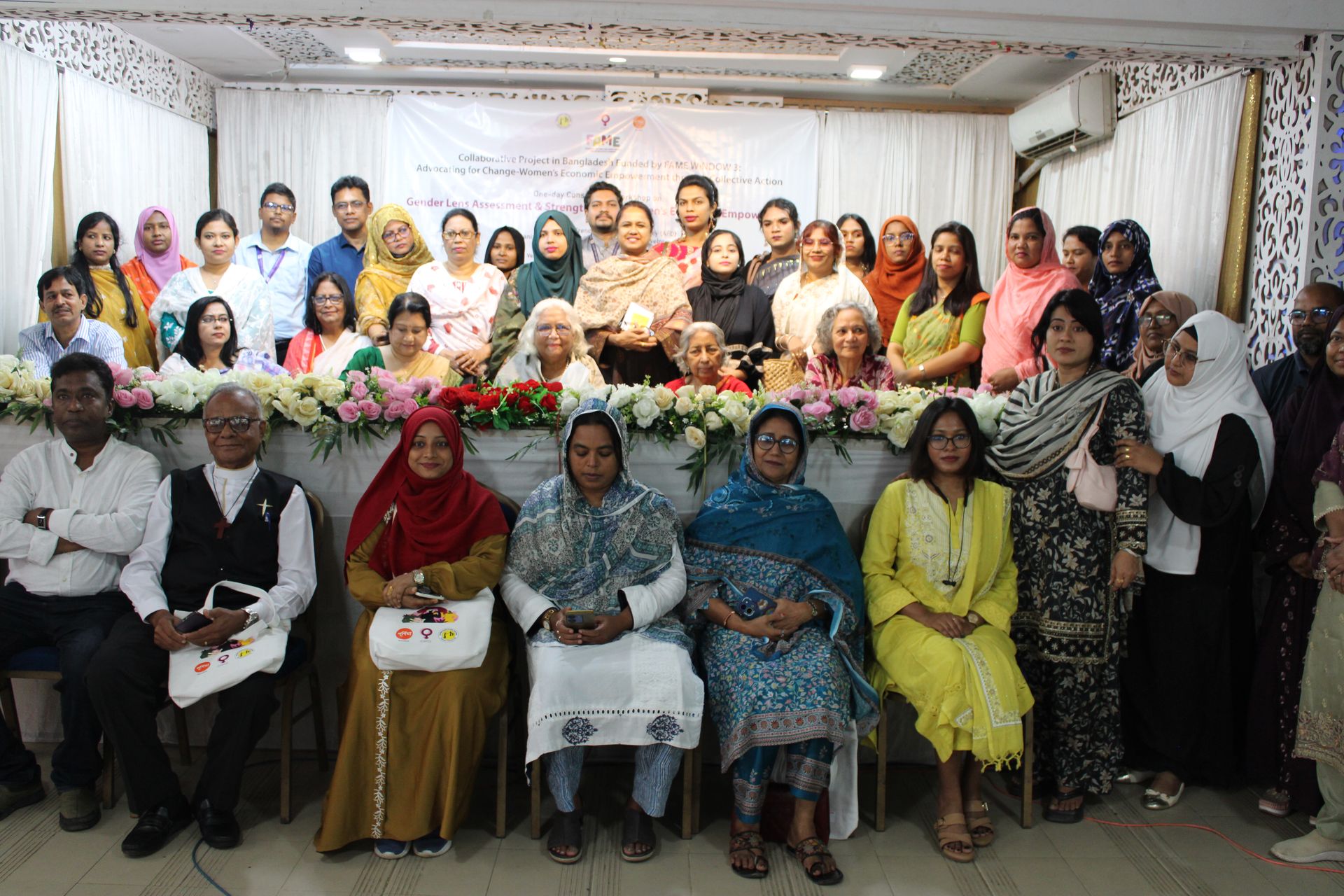
Group photo of participants at the Gender Lens Assessment workshop in Khulna, 12 May 2026
Ms. Nasreen Razzak, Executive Director of Purnima, delivered the welcome address highlighting the significance of collective action in promoting women's economic rights and emphasized the need for gender-responsive policies and inclusive economic opportunities.
Ms. Rumana Rashid Rumi, Project Monitoring Officer of Purnima, facilitated the session on understanding Gender Lens Assessment. She highlighted that gender is about roles and expectations given by society, not biological differences. She introduced the concept of GLA as a systematic approach used to analyze how gender inequalities affect access to resources, opportunities, decision-making, and outcomes within a specific context.
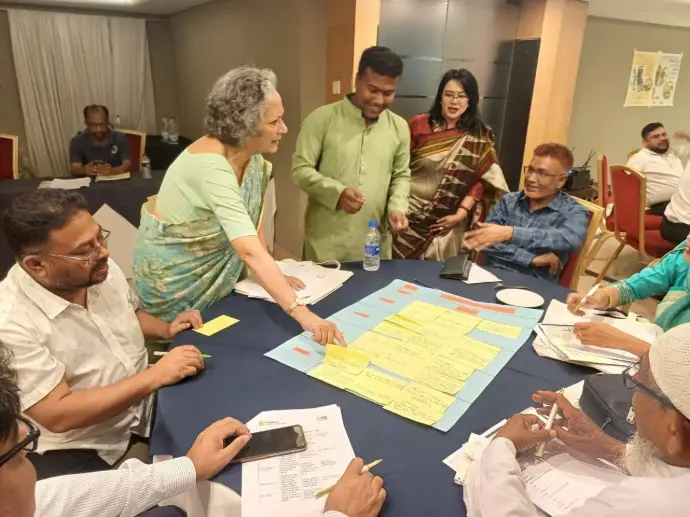
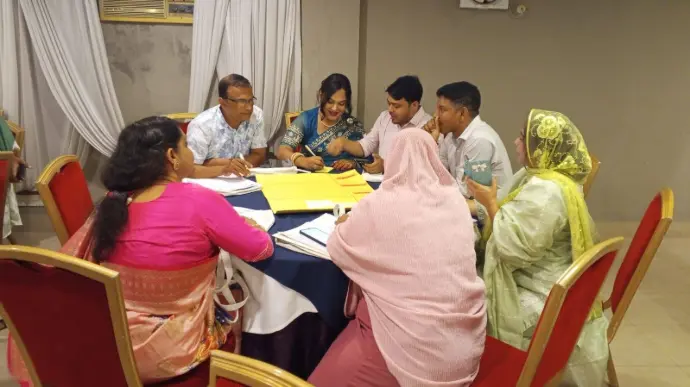
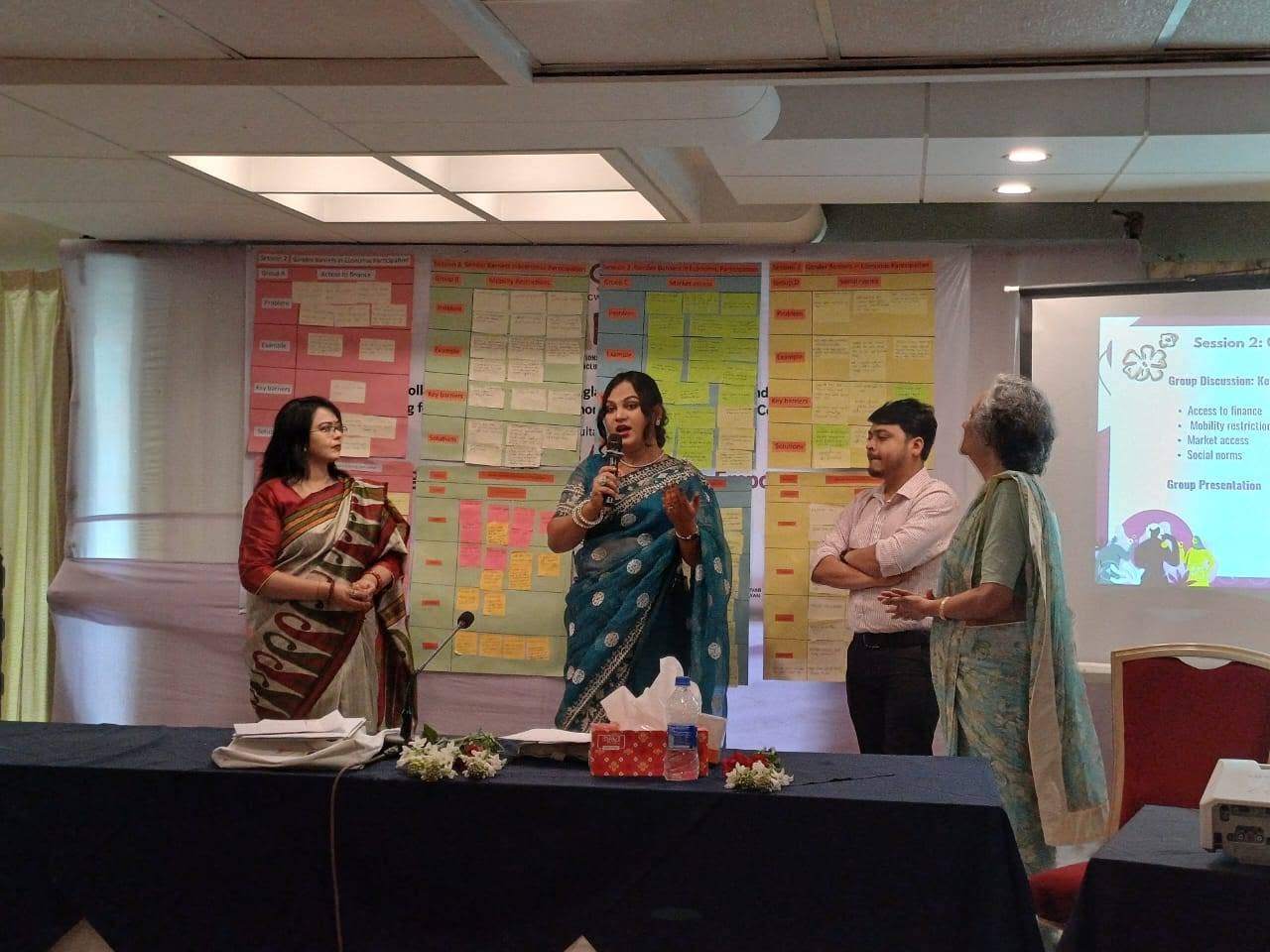
Participants engaged in group work and presented their findings on:
- Access to Finance: Limited access to bank loans and microcredit facilities, insufficient financial support from family members, requirement of a male guarantor, gender discrimination, and restricted employment opportunities.
- Mobility Restrictions: Family restrictions, transportation problems, social barriers, and mobility limitations imposed by conservative religious practices.
- Market Access: Lack of women-friendly markets, lack of capital, social insecurity, eve-teasing, and no inclusion of women in market committees.
- Social Norms: Discrimination in remuneration, social restrictions for women's economic activities, lack of economic support, and violence against women.
Key voices from Khulna:
"Women entrepreneurs face social bullying while displaying products live on the digital market. It is suggested that women should keep control of the business by opening a trade license bank account in their own name."
— Workshop participant
"Child marriage is the biggest obstacle to walking independently. Religious misinterpretation is creating more problems for women in walking independently."
— Student participant
"Women's participation in professions like police, nurses, and air hostesses is still not seen as normal. This is because there is night duty in such professions. Society views staying outside the home at night in a negative light."
— Police Inspector, Victim Support Center
Gazipur District Workshop – 18 May 2026
At Sonar Tori Community Center in Gazipur, another 80 participants explored the barriers faced by women in an industrial and peri-urban context. The workshop was conducted by Concerned Women for Family Development (CWFD).
The workshop was chaired by Dr. Yasmin H. Ahmed, Executive Member of the Governing Body of CWFD. Lady K. Faiz, PhD, Executive Director of CWFD, delivered the welcome address. Dr. Nafisa Lira Huq, Vice President of CWFD, was present as a special guest.
Rokeya Sultana, Deputy Executive Director of CWFD, facilitated the session on understanding Gender Lens Assessment. She highlighted the overall social status of women in Bangladesh through references to the ideas and writings of feminist pioneer Begum Rokeya. She emphasized the importance of women's ownership of personal assets and property rights, as well as issues related to inheritance and identity.
Participants worked in four groups and presented their findings on:
- Access to Finance: Lack of capital, lack of education, social norms, family barriers, professional inequality, and problems related to business documents.
- Mobility Restrictions: Restriction from family, lack of capital, lack of on-line digital training, lack of knowledge to use social media, victims of eve-teasing, and husband not allowing them to do any job.
- Market Access: Lack of women-friendly markets, restriction from family, lack of capital, lack of social security, eve-teasing in the market, and no inclusion of women in market committees.
- Social Norms: Discrimination of remuneration between males and females, social restrictions for women's economic activities, religious and social restrictions for movement, and violence against women.
Key voices from Gazipur:
"This is the first time for a person like me attending a workshop including all community members. I am a human being. I am deprived of my human rights. People need to change their perspectives about us. I have given viva as a teacher to Jagannath University but just because I am a transgender woman, they have kept me as a part-time teacher although I have all the abilities to be a full-time teacher. I urge to start working on inclusivity."
— Rosni, a Hijra (transgender) participant doing her master's at Jagannath University
"When husbands give full support to their wives to become independent or run business, people start calling them names. Society people try to backbite the women by spreading rumors about their character. We respect men because we know that without their support it is not possible for a woman to become independent. I would like to request you to conduct workshops for husbands, sons, brothers, and male figures of the families so that their perspectives on women empowerment can change."
— Asma Akter, women entrepreneur
"We are unable to compete in the big market due to lack of finances. When we go to banks for loans, we don't get it when we say we are entrepreneurs. The loan officers ask for male figures' financial condition before assessing our loan applications. Even if all the papers are ok, they take lengthy time and the process becomes harassment."
— Zebunnessa Zaman Chumki, women entrepreneur
Comprehensive Gender Lens Assessments
The project developed and applied a range of practical GLA tools, including:
- Field checklists for assessing gender responsiveness of programs
- Access vs. control frameworks to distinguish between whether women could access resources and whether they had control over them
- Women's daily activity clocks to map unpaid workload and time poverty
- Scenario-based analysis of government digital marketing, livelihood skill training, and agricultural/fish culture
These tools helped map operational inequalities at the grassroots level. They revealed not just whether women could access resources, but whether they had control over them and decision-making power.
The analysis particularly focused on four interconnected dimensions:
- Access and control: Access to finance, income, assets, training, and services versus actual control over these resources
- Mobility and market participation: Women's ability to travel, enter markets, sell products, and participate in digital and physical economic spaces
- Care work and social norms: Unpaid domestic and care responsibilities, household decision-making, and restrictive gender norms
- Institutional and structural barriers: Banking requirements, collateral and guarantor systems, property and inheritance issues, market infrastructure, workplace conditions, and participation in local decision-making
National Policy Mobilization – August 2026
The project culminated in the National Seminar on "Advocacy for Change in Women's Economic Empowerment in Bangladesh" held on 11 August 2026 at the CIRDAP International Conference Center in Dhaka. More than 155 key stakeholders attended, including government representatives, development partners, CSOs, researchers, women's rights advocates, and media.
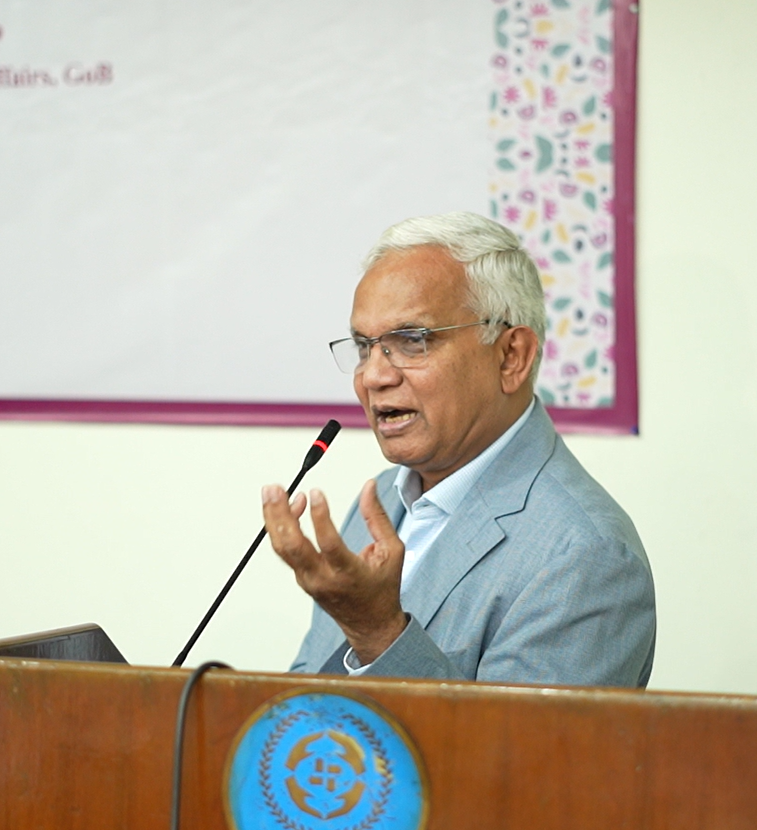
The seminar was a powerful platform for presenting the district-level findings and advocating for policy change. It was chaired by Ms. Naaz Farhana, President of DWCCI, and featured Prof. Dr. A Z M Zahid Hossain, MP, Honorable Minister of both the Ministry of Social Welfare and the Ministry of Women and Children Affairs, as the Chief Guest.
Prof. Ishrat Shamim presented the keynote based on the findings of the Gender Lens Assessment conducted in the three workshops. The presentation focused on identifying the key gender-related barriers that restrict women's participation in economic activities and on developing practical, locally relevant solutions.
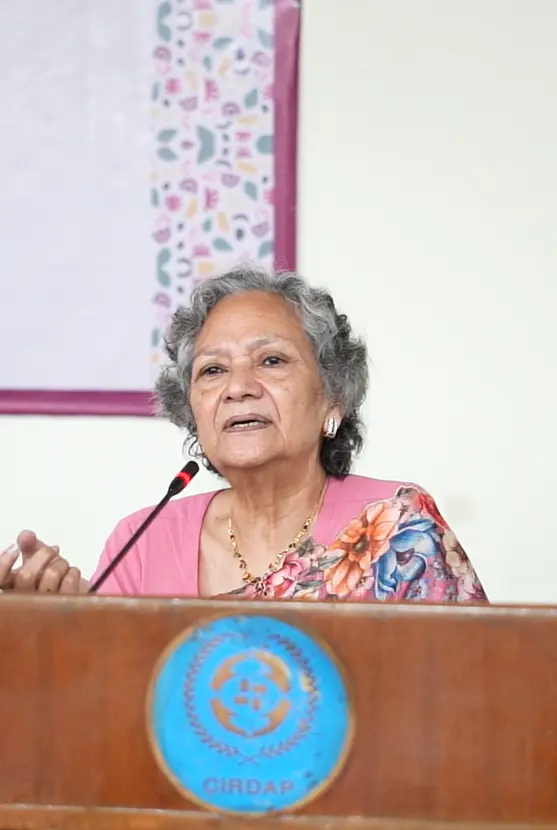
The seminar also featured a panel discussion facilitated by Advocate Farida Yeasmin, Executive Committee Member of CWCS. The panelists were:
- Dr. Halida Hanum Akhter, Public Health, Women's and Reproductive Health Specialist
- Ms. Farah Kabir, Country Director, ActionAid Bangladesh
- Ms. Fawzia Khondker, Executive Director, Pragroshor
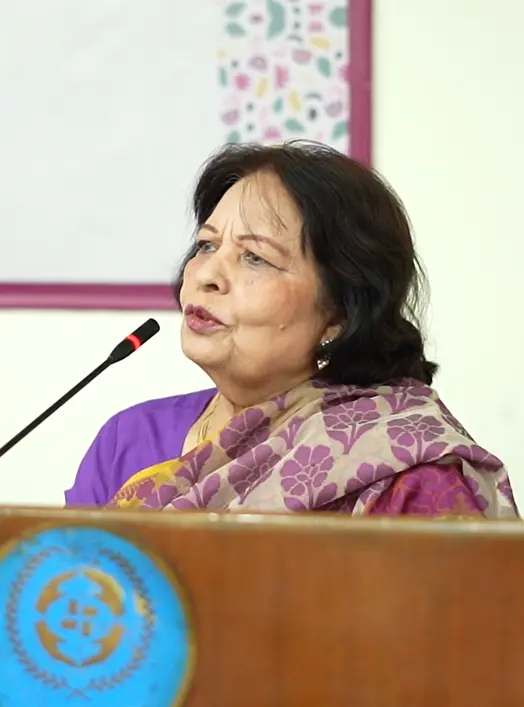
Dr. Halida Hanum Akhter focused on women's health issues and the application of a gender lens on Sexual and Reproductive Health and Rights (SRHR). She highlighted that a gender lens in reproductive health means examining how gender norms, roles, power relations, and inequalities influence people's access to reproductive health information, services, rights, and health outcome
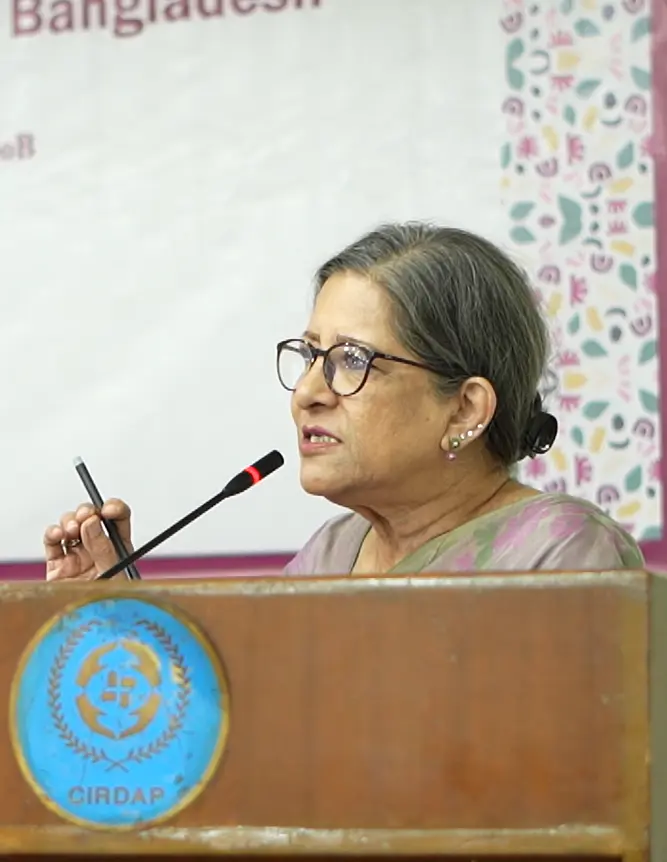
Ms. Farah Kabir highly appreciated the district-level Gender Lens Assessments and emphasized that the findings should be further reinforced and translated into concrete actions. She shared examples of negotiations with market management committees in different districts, including Satkhira and Patuakhali, which resulted in the establishment of dedicated spaces for women in marketplaces, seating arrangements, toilet facilities, and daycare facilities.
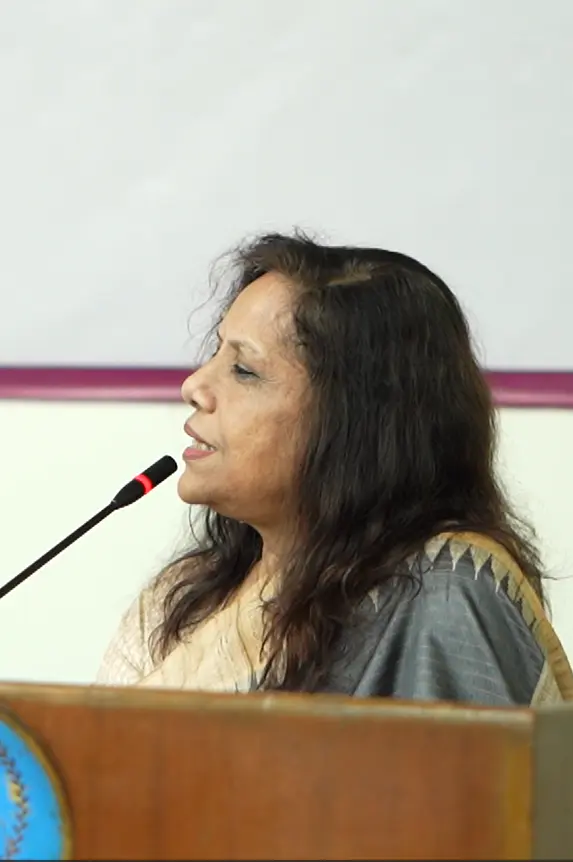
Ms. Fawzia Khondker emphasized that women are not a homogeneous group and cannot be addressed through a single approach. She stressed that persistent advocacy and continuous collective action are essential, and that women's economic empowerment is closely linked to their political empowerment.
The seminar generated direct commitments from:
- The Minister of Social Welfare and Women and Children Affairs: Committed to investing in the Care Economy and expanding social safety nets like the Family Card program to prioritize female household heads.
- The SME Foundation: Pledged to reform institutional micro-credit delivery rules, including creating a women-friendly loan policy that removes rigid guarantor and property collateral requirements, establishing a mandatory single-digit interest rate for qualified female traders, and launching regular bank-entrepreneur matchmaking events.
- The National Productivity Organization (NPO): Committed to strengthening advocacy and capacity-building initiatives and recommended expanding the Gender Lens Assessment nationwide.
Inclusion of Highly Marginalized Communities
A defining feature of this project was its deliberate inclusion of gender-diverse/transgender (hijra) networks and physically challenged entrepreneurs in mainstream policy planning. Their experiences of exclusion from financial and professional institutions were documented as visible case studies and integrated into the national advocacy agenda.
The project formally integrated these marginalized communities into mainstream policy planning, generating visible case studies on systemic exclusion from financial and professional institutions. This ensured that the project did not treat women as a homogeneous group but recognized the intersectional nature of discrimination.
Key Findings: Barriers to Women's Economic Empowerment in Bangladesh
The Gender Lens Assessments conducted across the three districts revealed a complex web of interconnected barriers. These were not just individual challenges but structural and institutional obstacles that require systemic solutions.
Access to Finance
Women continue to face significant barriers in accessing formal financial services. Low financial literacy, complicated banking procedures, documentation requirements, limited property ownership, and inheritance-related barriers restrict their access to formal credit. Even when women access loans, family control over financial resources often limits their financial autonomy.
Evidence from Consultations:
- Participants reported requirements for property collateral and government-employed male guarantors
- The GLA found that women may access income or credit while male family members retain control over bank accounts, funds, and business decisions
- Landless and rural women, widows, and women without appropriate documentation are particularly disadvantaged
- Transgender/hijra entrepreneurs also reported exclusion from formal banking credit
District-Specific Findings:
- In Satkhira, limited land ownership and climate vulnerability were identified as important constraints
- In Khulna, complex procedures, paperwork, and gender bias were highlighted
- In Gazipur, despite greater employment and business opportunities, family restrictions, limited financial knowledge, and lack of control over money continued to affect women
Mobility Restrictions
Women's mobility was identified as another major barrier to economic participation. Social norms, family restrictions, safety concerns, care responsibilities, and limited decision-making power restrict women's ability to access education, training, employment, businesses, and markets.
Evidence from Consultations:
- Women entrepreneurs do not have family permission to access training facilities outside their villages
- Due to lack of safe transportation system, women are many times unable to go to the local market
- Cannot participate in local trade fairs due to lack of permission and lack of knowledge
- Cannot stay outside after evening
- Restrictions regarding working alongside men
District-Specific Findings:
- In Satkhira, transport limitations, social norms, and safety concerns were prominent
- In Khulna, child marriage, gender norms, and safety issues affected women's mobility and employment
- In Gazipur, family restrictions, safety concerns, and limited digital skills constrained women's access to economic opportunities
Market Access
Limited capital, weak business networks, inadequate business skills, mobility restrictions, and lack of women-friendly market spaces were key barriers to women's market participation. These challenges limit women's ability to sell products, expand enterprises, obtain market information, and receive fair returns.
Evidence from Consultations:
- Women are not provided credit facilities compared to men
- Low entry for new women entrepreneurs amidst established businesses
- Lack of training and facilities for women
- Women being deprived of their rights to assets and property
- Obstacles created by male-dominated market structures for women entrepreneurs
- Sexual harassment faced by women
District-Specific Findings:
- In Satkhira, male-dominated markets, climate risks, and weak infrastructure were major concerns
- In Khulna, many women lacked the skills, confidence, and support required to benefit from digital businesses
- In Gazipur, household responsibilities, social norms, and limited business skills continued to restrict women's participation in markets
Social Norms and Gender Discrimination
Patriarchal social norms and traditional gender roles were underlying barriers across all three districts. Women continue to experience discrimination, unequal wages, stigma, restricted decision-making power, heavy care responsibilities, child marriage, and safety risks. Gender-diverse and other marginalized groups face additional forms of exclusion.
Evidence from Consultations:
- Society does not accept women doing men's jobs
- Women are supposed to do household chores and look after children
- Male members in family think if a woman is educated and starts working, they learn to "argue" with men
- Women face humiliation while asking for bank loans since women are not "supposed to work"
- Traditional norms restricting openness to new ideas and creativity
District-Specific Findings:
- In Satkhira, conservative social norms were particularly influential
- In Khulna, household responsibilities, workplace challenges, and psychosocial concerns were highlighted
- In Gazipur, traditional gender roles and family control continued to limit women's economic opportunities and decision-making
The Central Finding: Access vs. Control
The most significant finding across all districts was the distinction between access and control. Women may receive training, earn income, or obtain credit, while decision-making power over financial resources and business activities remains with male family members.
This means that simply increasing women's access to resources is not enough—true empowerment requires control over those resources and the ability to make independent decisions. The GLA process enabled CSOs to identify how these structural factors directly affect women's market participation and control over income.
National-Level Recommendations for Women's Economic Empowerment
The National Seminar produced a comprehensive set of policy recommendations and priority actions. These recommendations are designed to address the structural barriers identified in the district assessments and to create an enabling environment for women's economic empowerment in Bangladesh.
1. Collateral-Free Institutional Credit
Gap: Rigid property collateral requirements and male guarantor rules block landless women from accessing formal credit.
Recommendation: Mandate performance-based, collateral-free micro-credit lines with guaranteed single-digit interest rates directly in women's names.
Responsible Institutions: SME Foundation & Bangladesh Bank
Timeframe: Short-Term (6–12 months)
2. Care Infrastructure Integration
Gap: Unpaid domestic care work is unvalued, causing severe time poverty for female entrepreneurs.
Recommendation: Formally adopt a national Care Economy Framework to invest in community childcare centers and redistribute household care burdens.
Responsible Institutions: Ministry of Women and Children Affairs & Ministry of Social Welfare
Timeframe: Medium-Term (1–2 years)
3. Gender-Responsive Public Markets
Gap: Local markets lack safe WASH/toilet complexes, secure booths, or on-site childcare.
Recommendation: Update local market governance codes to dedicate specific budgets for separate female trading counters, clean toilets, and market daycares.
Responsible Institutions: Municipal City Corporations & Local Market Management Committees
Timeframe: Short-Term (6–12 months)
4. Intersectional Legal Protections
Gap: Transgender and disabled women operators face total exclusion from bank credit and rental markets.
Recommendation: Enforce explicit anti-discrimination mandates within formal banking sectors and commercial property rental laws to protect diverse identities.
Responsible Institutions: Ministry of Law, Justice and Parliamentary Affairs & Banking Regulators
Timeframe: Medium-Term (1–2 years)
5. Climate Economic Safety Nets
Gap: Male-dominated early warning and relief frameworks ignore climate-vulnerable women.
Recommendation: Mandate a minimum 50% female representation in local disaster committees and establish emergency livelihood protection funds for displaced women.
Responsible Institutions: Ministry of Disaster Management and Relief & Local Government Engineering Department (LGED)
Timeframe: Long-Term (2–3 years)
Priority Advocacy Message for Regional Workshop
True financial empowerment requires a structural shift from resource access to absolute control. Regional framework policies must aggressively mandate performance-based, collateral-free institutional credit lines directly in women's names, legally secure property and inheritance rights, and enforce gender-responsive national pay scales. Sustainable regional growth is impossible without transforming unpaid care infrastructures, guaranteeing safe physical and digital market ecosystems, and integrating marginalized diverse identities into the formal economy.
Voices from the Ground
The project was enriched by the voices of women who shared their lived experiences. Their testimonies brought the data to life and underscored the urgency of the recommendations.
"While women frequently access training and credit, patriarchal structures mean male family members consistently retain true financial control."
— Grassroots Women Entrepreneurs, Satkhira, Khulna & Gazipur
"Transgender individuals face double transport fares, total exclusion from credit, and denial of workspace rentals."
— Transgender (Hijra) Networks, District Consultation Tracks
"Early warning and disaster relief committees are heavily male-dominated, leaving marginalized women structurally left out of natural disaster messaging and economic safety nets."
— Climate-vulnerable Grassroots Artisans, Satkhira District
These voices remind us that behind every statistic is a woman with a dream, a struggle, and the potential to contribute fully to Bangladesh's economy if given the chance.
Project Achievements and Impact
The project not only met but exceeded many of its targets. Here is a snapshot of what was achieved:
Result 1: CSO Capacity and Women's Voice
| Indicator | Country Target | Achievement |
|---|---|---|
| CSOs with increased advocacy capacity and knowledge of gender barriers | 40 | 103 (Satkhira: 31, Khulna: 22, Gazipur: 10, Launch: 30, National Seminar: 10) |
| Women reporting improved negotiation and communication confidence | 44 | 87 (Satkhira: 14, Khulna: 12, Gazipur: 18, Launch: 07, National Seminar: 36) |
| CSOs demonstrating improved collective action and advocacy practices | 40 | 103 (Satkhira: 31, Khulna: 22, Gazipur: 10, Launch: 30, National Seminar: 10) |
| Women participating in formal or informal decision-making spaces | 238 | 232 (Satkhira: 29, Khulna: 49, Gazipur: 50, Dhaka Launch: 37, National Seminar: 67) |
| Women selected to participate in the regional event | 5 | 5 (Fully mobilized) |
Result 2: Policy and Institutional Influence
| Indicator | Country Target | Achievement |
|---|---|---|
| Institutional stakeholders engaged or influenced | 126 | 71 |
| Private-sector stakeholders engaged or influenced | 104 | 163 |
| Policies, programmes or budgets influenced | 126 | 71 |
| Research publications or policy briefs produced | No target specified | 2 |
| Media features produced | No target specified | 23 |
| People reached through awareness-raising activities | 310 | 448 |
Key Achievements
- 103 grassroots CSOs were organized into a single, coordinated advocacy front. This collective power enabled them to challenge entrenched patriarchal trade patterns and local market monopolies.
- 232 marginalized women and gender minorities entered direct dialogue with national policy planners, including the Minister of Social Welfare and Women and Children Affairs.
- The SME Foundation pledged to reform institutional micro-credit delivery rules, including women-friendly loan policies that remove rigid guarantor and property collateral requirements, establish single-digit interest rates, and launch bank-entrepreneur matchmaking events.
- The Minister of Social Welfare and Women and Children Affairs committed to investing in the Care Economy and expanding social safety nets like the Family Card program to prioritize female household heads.
- Local market management committees committed to dedicated female trading counters, safe WASH facilities, and workplace daycare facilities.
- Two analytical knowledge frameworks were produced: the Gender Lens Assessment (GLA) Facilitator's Handbook and the Brochure of the Collaborative Project in Bangladesh.
- 23 media features were published to elevate public discourse, including 3 television broadcasts, 11 dedicated investigative summaries in national daily newspapers, and 9 features in online news portals.
- 448 people were directly educated through awareness-raising activities, including 103 core CSO leaders who completed technical modules and 345 grassroots workshop participants.
The Way Forward: Legacy of Collective Action
The Advocating for Change project has concluded, but its legacy continues. It demonstrated that achieving sustainable, inclusive economic growth in Bangladesh requires moving beyond simple resource access to absolute financial control.
By organizing 103 grassroots CSOs into a coordinated advocacy front, the project successfully brought the critical economic testimonies of 232 marginalized women and gender minorities into direct dialogue with national policy planners.
Although the project has ended, the work is far from over. The focus now shifts to ensuring that the high-level pledges secured during the project are translated into measurable economic sovereignty for all women across Bangladesh. This will require strict municipal audits and continuous civil society monitoring.
The tools and networks developed during the project—such as the GLA Facilitator's Handbook and the regional South Asian Women Entrepreneurs' Advocacy Platform—will continue to support this vital work. The project also strengthened the capacity of local CSOs to move from service delivery towards collective advocacy and policy engagement, ensuring that grassroots voices continue to inform national policy dialogue.
Project Information
| Country | Bangladesh |
|---|---|
| Lead Organization | Centre for Women and Children Studies (CWCS) |
| Partner Organizations | Concerned Women for Family Development (CWFD) & PURNIMA |
| Implementing Partner | Dhaka Women Chamber of Commerce & Industry (DWCCI) |
| Reporting Period | March – August 2026 |
| Geographical Coverage | Dhaka, Gazipur, Satkhira, and Khulna |
| Status | - |
| Target Groups | Women entrepreneurs, grassroots women, women-led CSOs/CBOs, government representatives, private-sector stakeholders, media, and marginalized groups including transgender/hijra and physically challenged individuals |

This project was funded by the Agence Française de Développement (AFD) under FAME Window 3 and implemented in collaboration with Geres and the South Asian Women's Development Forum (SAWDF).